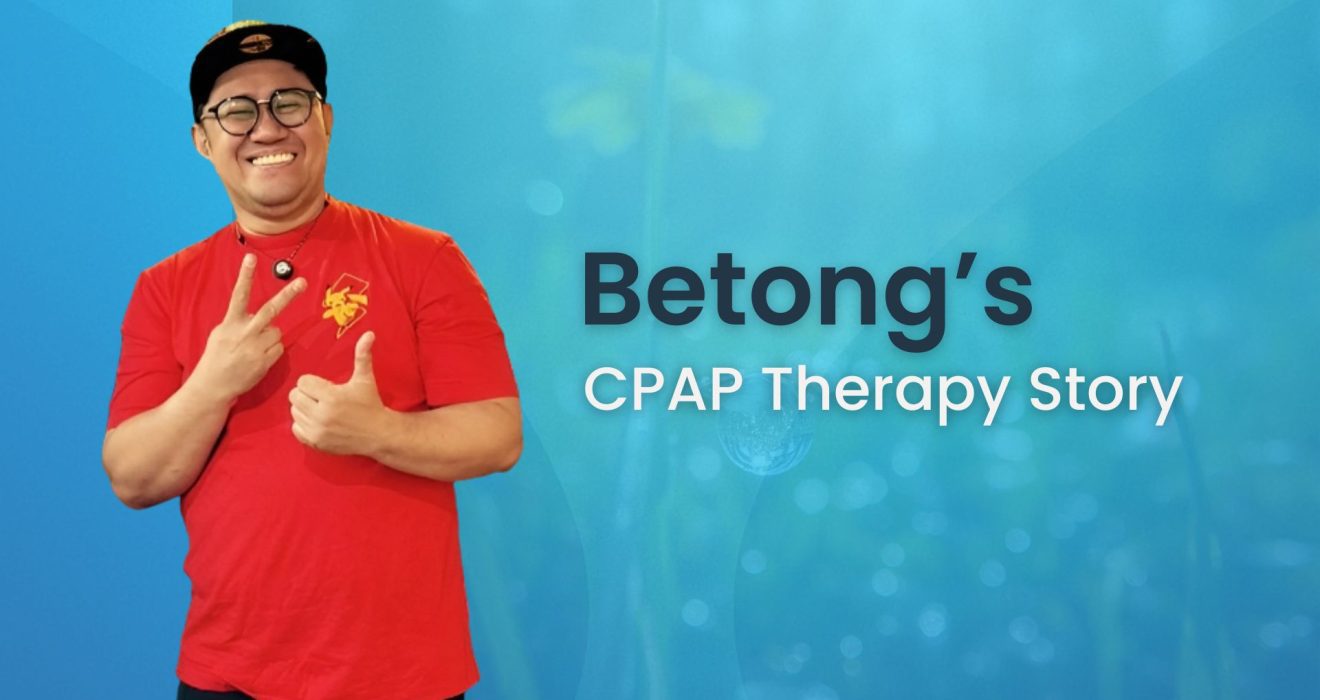
Betong’s CPAP Therapy Story
For someone whose job is to make people laugh, quality sleep is no joke.
Sleep, when it works, is invisible. When it doesn’t, it quietly takes over everything.
For Alberto “Betong” Sumaya Jr., a man whose career depends on sharp timing, endless energy, and an ever-present sense of humor, rest had long been unreliable. The laughter came naturally, but exhaustion lingered behind the scenes. Like many Filipinos, Betong was living with Obstructive Sleep Apnea, a condition too often dismissed as harmless snoring, yet powerful enough to disrupt focus, health, and daily life.
It was Betong himself who reached out to Global Sleep Care Centre Inc., sending a message through their Facebook page—not only to explore a collaboration, but to finally confront a diagnosis he had once set aside. Years earlier, he had undergone a sleep study, yet treatment never followed. Life moved fast. This time, he chose to pause.
At the clinic, the experience unfolded with intention. Guided by licensed respiratory therapists and overseen by Rosemarie H. Tan, Operations Manager and Respiratory Therapist, the session focused not on rushing into therapy, but on understanding the patient behind the diagnosis. His previous sleep data was no longer reliable, so the team followed their standard clinical process, ensuring that every recommendation moving forward was anchored in proper evaluation and patient education.
“CPAP therapy isn’t something patients should figure out on their own,” Rose shares. “Our role as clinicians is to guide them from the very beginning—because understanding the therapy is just as important as using the machine itself.”
For a first-time CPAP user, the choice of device was deliberate. The ResMed AirSense 10 was recommended for its adaptability, comfort, and ability to support remote clinical monitoring. Set in automatic mode, the machine allows respiratory therapists to fine-tune therapy over time, ensuring treatment continues to match the patient’s needs. CPAP, as Rose emphasizes, is not a one-night fix—it is a long-term partnership between patient and clinician.
Mask fitting followed, a moment often underestimated but crucial to success. Because Betong tends to mouth-breathe, a full-face mask was recommended. To his surprise, it felt comfortable almost immediately. Education flowed naturally after—how the machine works, how each component connects, how cleaning is done, and why regular guidance matters.
“We always remind our patients that comfort and monitoring go hand in hand,” Rose explains. “If a patient is uncomfortable or left on their own, there’s a high chance the therapy will be neglected. And we don’t want that.”
Despite the seriousness of the discussion, the room never felt heavy. Betong’s humor surfaced effortlessly, punctuated by quick banter that lightened the atmosphere and caught the clinicians pleasantly off guard. Yet beneath the jokes was attentiveness. He listened closely, recalled instructions, and asked thoughtful questions—proof that he was fully present in the moment.
Then came the moment no one expected. As the machine hummed softly and the mask settled into place, Betong drifted off into a brief nap right there in the setup room.
For the clinical team, it was a powerful sign.
“As a clinician, that moment told me everything,” Rose recalls. “It showed his willingness to trust the therapy and be patient with his condition. That’s always a positive sign for long-term adjustment.”
Betong has since been open about how sleep apnea affected his daily life, including moments when he would unintentionally fall asleep at work. His hope now is simple: better sleep, clearer days, and the energy to continue doing what he loves. Through filmed clinic sessions and shared content online, he has chosen to use his platform to spread awareness—reminding the public that loud snoring is not normal, and that pauses in breathing during sleep should never be ignored.
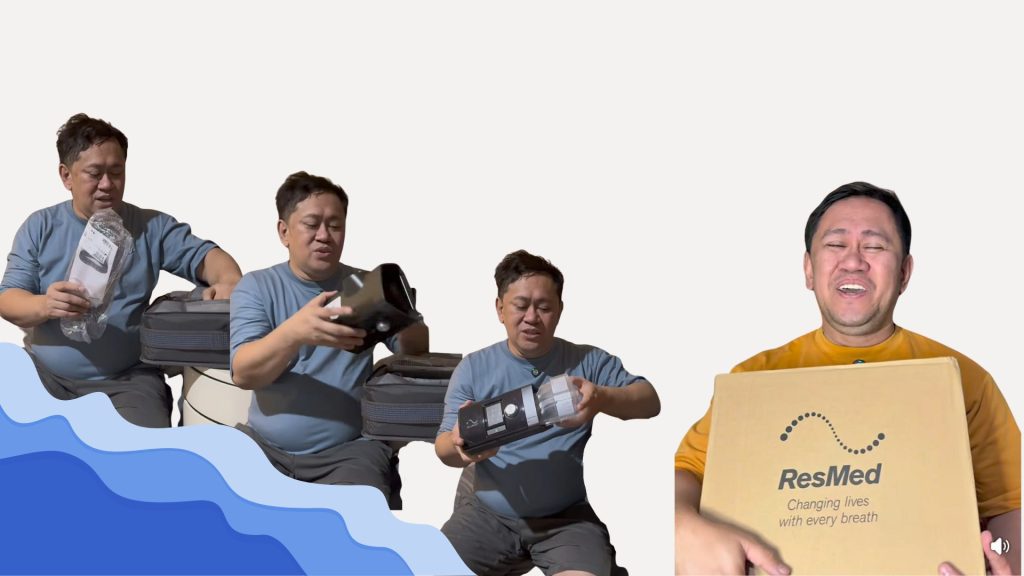
The response has been deeply encouraging. Viewers resonated with his story, and many have since reached out to Global Sleep Care Centre after recognizing similar symptoms in themselves or their loved ones.
What truly sets the clinic apart, however, is what happens beyond the initial setup. For Betong, support did not end when the machine was turned on. Global Sleep Care Centre provides lifetime after-sales care, continuous monitoring, and open access to licensed clinicians whenever questions arise.
“We don’t stop caring for patients after they start therapy,” Rose says. “Continuous monitoring and support are part of our responsibility. CPAP only works when patients feel supported every step of the way.”
The message is clear and quietly powerful. Proper CPAP setup matters. Accurate diagnosis matters. Education matters. Ongoing clinician involvement matters. Without these, even the most advanced machine risks becoming just another unused device on a bedside table.
Sleep apnea is serious, but it is treatable. And when treated with care, expertise, and compassion, sleep does more than restore the body—it reshapes daily life.
For Betong, rest is no longer an afterthought. It is a commitment. A discipline. And ultimately, a quiet revolution—one breath, one night, at a time.