Your School Work is NOT The Reason You’re Stressed: It’s Your Sleeping Habits
Are you feeling constantly stressed, even more than usual? Or consistently overwhelmed with tasks or your surroundings, even if there’s nothing really to worry about? Or exhausted even if you’ve rested quite a lot?
It’s easy to blame everything on a busy schedule or piling responsibilities; however, you should consider the real culprit – your sleep. It is not just the number of hours you’ve rested, for the quality of your sleep should be considered as well. Poor sleep quality doesn’t just leave you tired; it can heighten your stress levels and reduce your ability to cope with daily challenges. It can lead to poor regulation of your emotions – furthering mistakes, lack of focus, and worsening judgement. Whether it’s a matter of unhealthy sleep habits or an undiagnosed sleep disorder like sleep apnea, addressing your sleep issues could be the first step toward a calmer, more balanced life.
In a study of its correlation among students in a university in Indonesia, it was found that those who sleep less and/or have poor sleep quality also have higher stress levels – therefore, causing bad performances in their academics. At the other end, high levels of stress (or, at least, higher occurrences of being triggered to stressors) cause poor sleep quality. Students experience extreme fatigue, anxiety, and irritability. Academic demands, extracurricular activities, and social pressures often lead to late nights and inconsistent sleep schedules, creating a perfect environment for stress. Without adequate restorative sleep, students may struggle with concentration, memory retention, and emotional regulation—skills that are critical for academic success and overall well-being.
Sleep is essential for one’s physical and emotional resilience. It allows your entire being to relax and recover from the demands of the day. This is an event where your body is supposed to reset to be ready for responsibilities when you wake up. It allows you to retain memories more, to have your ability to focus boosted, and to make sound decisions. Without having such restorative sleep, you may end up in a downward spiral where you won’t be a 100% version of you. Of course, that is not to say to abandon your responsibilities – especially, when you have deadlines. However, it is imperative for you to make certain adjustments and steps to lower your stress levels and to keep yourself as functional as possible.
There are those who get accustomed to irregular sleep schedules or even sleeping less than eight hours to a point that the high stress levels make them go numb. At the same time, there are people who don’t realize that their sleep is of poor quality because they are forced to attend to their work the moment they wake up – with that, they turn to other habits that contribute to such phenomenon (like, drinking, or eating a lot before sleeping, or simply rebooting their sleep patterns by not sleeping for another set of hours). This can be problematic as this is a possible indication of underlying sleep disorders like insomnia or sleep apnea. And when you don’t attend to something you don’t realize, it creates more problems like other chronic disorders like obesity.
If you find yourself or your roommate snoring, then there’s a possibility that they have sleep apnea. It is a condition where your sleep cycle is disrupted by breathing interruptions – whereas, you actually stop breathing for a moment (time ranging from the severity of the condition). It is either caused by your throat muscles blocking your airway or your brain not sending signals to your respiratory muscles. Either way can be contributory to loud and excessive snoring, fatigue, and waking up exhausted (as if you never slept at all).
However, there’s nothing to fear if you attend to it as soon as possible. You can take certain steps to improve your sleep hygiene to reverse that phenomenon. Once you do, your sleep will finally be restful and your overall well-being will surely improve.
You can improve your sleep hygiene by changing your sleep environment. You may add curtains over your windows that provide total black out. You may also use scented candles or incense to relax your mind and muscles. You may even use music or podcasts for you to be sleepy.
Yes, being a student makes it difficult for you to change your routines. Reducing screen time or caffeine intake might not be possible, given the workload that you have. It might not be possible for you to quickly maintain a consistent sleep schedule because some tasks just take too much of your time and energy. Naps might even be your last resort. This is why you must consider getting diagnosed for sleep disorders and undergo CPAP Therapy.
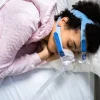
Sleep apnea often goes unnoticed in students, yet it can be a significant factor contributing to stress and daytime fatigue. For students struggling with sleep apnea, CPAP therapy (Continuous Positive Airway Pressure) can be a transformative solution. This ensures consistent airflow, keeping the airways open and preventing interruptions in sleep. By addressing these disruptions, this can help you wake up feeling refreshed and ready to tackle your academic and personal responsibilities.
CPAP therapy not only improves sleep quality but also supports the body’s ability to regulate stress hormones. For students juggling exams, projects, and extracurricular activities, this can make a critical difference in their ability to stay calm, focused, and productive. In addition to immediate benefits like improved energy and mood, CPAP therapy also helps prevent long-term health complications associated with untreated sleep apnea, such as high blood pressure and mental health challenges. For students, investing in their sleep health through CPAP therapy isn’t just about surviving college or high school—it’s about thriving. By ensuring consistent, restful sleep, CPAP therapy lays the foundation for academic success, emotional resilience, and overall well-being.
What are the signs for you to consider should you need professional help for your sleep problems?
- If you feel constantly tired, even if you’re able to sleep 7-9 hours and/or even take naps during the day.
- If you find yourself trying too hard to sleep or you wake up in the middle of your sleep cycle. This might mean that you have persistent insomnia.
- If you feel sleepy or if you’re falling asleep during class, whenever you study, or when your brain is needed to function. This might mean that your brain is not capable of accomplishing what you’re trying to do.
- If you make snoring, choking, or gasping sounds during sleep. This means that you are already experiencing breathing interruptions unknowingly.
- If you’re feeling anxious, depressed, irritated, and/or angry without any reason. If you’re being triggered by almost everything or just because, then there’s probably a mental or physical distress.
- If you’re having difficulty concentrating, retaining information, or staying focused on your tasks. This means that your brain might not have enough oxygen for it to function.
- If you’re highly dependent on caffeine sources. This means that your body does not have the capability to stay awake when it should on its own.
- If you frequently toss and turn, or move your leg in your sleep. If you’re feeling restless, then you’re not achieving the appropriate quality of sleep.
Ignoring the signs will worsen your symptoms and can lead to complications or the emergence of other chronic disorders. It is beneficial for you to consult with a sleep specialist to identify potential sleep disorders and guide you toward effective solutions. And, if you’re constantly stressed and your sleep habits are poor, then you should consider undergoing CPAP therapy.
—
Global Sleep Care Centre provides a top-notch service for one’s journey to CPAP therapy. From testing and diagnosing your sleep behaviors and patterns to assisting you while you constantly use your machine, we help you lower your risk of suffering from any kind of sleep disorder.
To start your journey to restorative sleep, please take our Stop Bang questionnaire here: Please fill up the form.
For more information, you may reach us via email: info@globalsleepcarecentre.com; or, via phone: +63956-760-6016 +63939-919-2723.
—
Today, when stress is a constant companion, prioritizing quality sleep is not just a luxury — it’s a necessity, especially for students. Poor sleep quality can silently fuel stress and exhaustion, making everyday challenges feel insurmountable – which lead to poor academic performance; which can lead you to the worst case scenarios. However, with the right approach – whether through better sleep hygiene, addressing potential sleep disorders, or embracing effective treatments like CPAP therapy—it’s possible to break the cycle of sleepless nights and overwhelming days.
By taking control of your sleep health, you’re not just reducing stress – you’re empowering yourself to think more clearly, feel more balanced, and perform at your best. You’re allowing yourself to be supported in your academic workload and other responsibilities or challenges that you may encounter. Whether you’re a student navigating academic pressures or someone looking to improve your overall well-being, making sleep a priority can unlock a healthier, happier, and more productive life.
So, take the first step today. Evaluate your sleep habits, consult a professional if needed, and explore solutions like CPAP therapy if sleep apnea is holding you back. A good night’s rest might be the most powerful tool you have for managing stress and achieving your goals.
This article is written by: Drew Nodado