Sleep Apnea in Tagalog
Written By: Erin Dominique M. Descalso
Sleep is crucial to our well-being, yet sometimes we undergo disturbances that will affect our health. One of these disturbances is pagka-bangungut, which when translated means night terror or sleep episode. Most often, individuals would ask themselves if pagka-bangungut is equated with sleep apnea in Tagalog. Though both are sleep disorders, they differ in cause, symptom, and consequence on your general health. In this blog, we’ll explore whether these two sleep issues are one and the same or if they should be treated differently.
Understanding Sleep Apnea in Tagalog
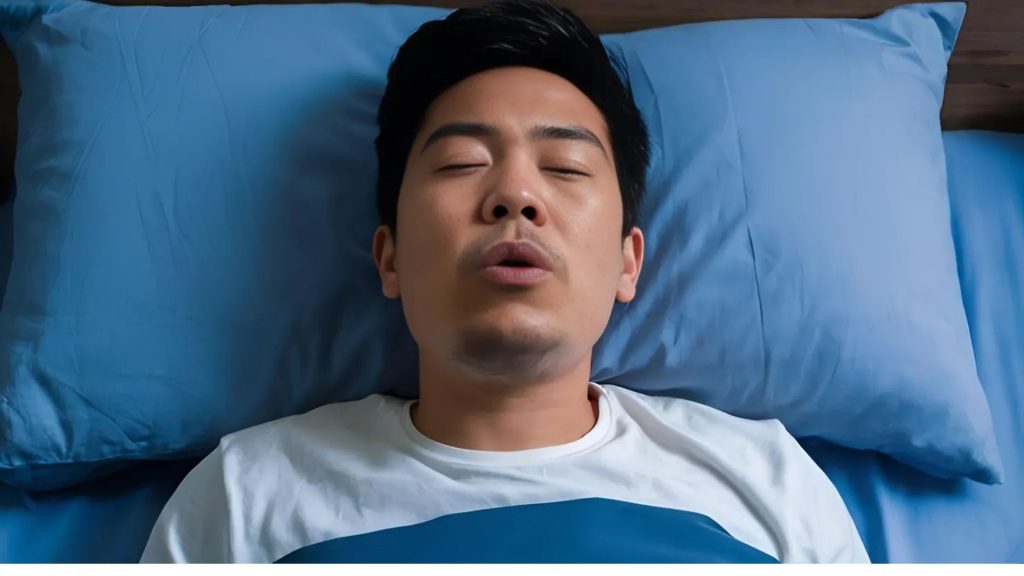
Sleep apnea is a severe sleep disorder in which breathing stops and starts repeatedly during sleep. The pauses may be for a few seconds to minutes and occur several times during the night. Sleep apnea is often accompanied by loud snoring, waking up with a dry mouth, and excessive daytime fatigue despite sleeping for a full night.
What Causes Sleep Apnea in Tagalog?
Tagalog sleep apnea, or “pagka-bangungut,” can be brought about by a number of causes, which include obesity, structural abnormalities in the airways, and even heredity. Individuals with a history of sleep apnea in Tagalog in their family might have an increased tendency to develop the condition. Those who have big tonsils, a thick neck, or nasal issues are also at risk of having this disorder.
Signs and Symptoms of Sleep Apnea in Tagalog
The signs of sleep apnea in Tagalog may be mild or severe. It usually goes undetected since it happens while sleeping. Choking or gasping for air while sleeping, waking up many times at night, and drowsiness during the day are some of the signs. These signs distinguish sleep apnea in Tagalog from pagka-bangungut, which is normally accompanied by nightmare-like dreams or a sudden wake-up call due to a nightmare.
What is Pagka-bangungut and How is it Different?

Pagka-bangungut is most commonly known as a nightmare or night terror among Filipinos. It’s a sudden experience of frightfulness in the course of sleeping, even accompanied by sweats, palps, or even waking up and not being able to move. Although the body cannot breathe well during pagka-bangungut in some individuals, this is due to obstruction in airways not resulting from sleep apnea.
Causes of Pagka-bangungut
The etiologies of pagka-bangungut can be variable, but are most commonly associated with stress, anxiety, or chronic trauma. It may also be associated with fever, lack of sleep, or other psychiatric conditions. Unlike Tagalog sleep apnea, pagka-bangungut is not due to a physical airway obstruction.
Symptoms of Pagka-bangungut
The manifestations of pagka-bangungut are more psychological than physical. People who experience night terrors can wake up suddenly from a deep sleep, feeling confused, scared, or panicked. Although sleep apnea in Tagalog is characterized by the stoppage of breathing, pagka-bangungut is usually characterized by nightmares or an intense sense of fear.
Treating Sleep Apnea and Pagka-bangungut
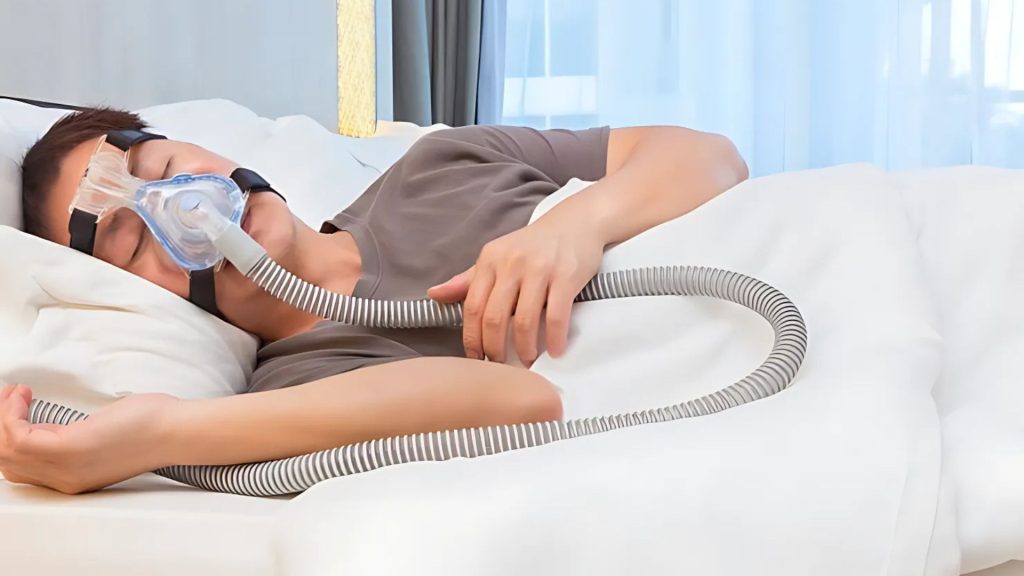
While both Tagalog sleep apnea and pagka-bangungut are conditions involving disturbances in sleep, their treatments are otherwise different. Treatment of sleep apnea in Tagalog commonly entails the use of CPAP machines, lifestyle modifications, and occasionally surgery, particularly if air passage is blocked.
Treatments for Sleep Apnea
For patients with sleep apnea, the most frequent treatment is the use of a CPAP machine that maintains the airways open while sleeping. In other instances, lifestyle changes like weight loss or alcohol avoidance can also alleviate symptoms of sleep apnea. In extreme instances, surgery may be necessary to eliminate excess tissue or repair structural defects in the airways.
Treatments for Pagka-bangungut
pagka-bangungut is frequently managed by treating the underlying cause, including stress or trauma. Therapy or relaxation can be suggested by a doctor to alleviate the incidence of night terrors. In severe instances, drugs may be administered but they are not as widely employed as they are for treating sleep apnea in Tagalog.
Take Control of Your Sleep Health

If you suspect that you have sleep apnea or are having disruptions in your sleeping, don’t hesitate to seek assistance. Come and see us at the Global Sleep Care Centre for proper diagnosis and treatment. We have the most excellent solutions to help you achieve restful sleep necessary for a healthy lifestyle.
Visit Us at
2521 Centuria Medical Makati,
Kalayaan Ave. Cor. Salamanca St.,
Makati City
Contact Numbers:
Globe: 0956 760 6016
Smart: 0939 919 2723
Landline: +632 8571 3072
Email:
info@globalsleepcarecentre.com